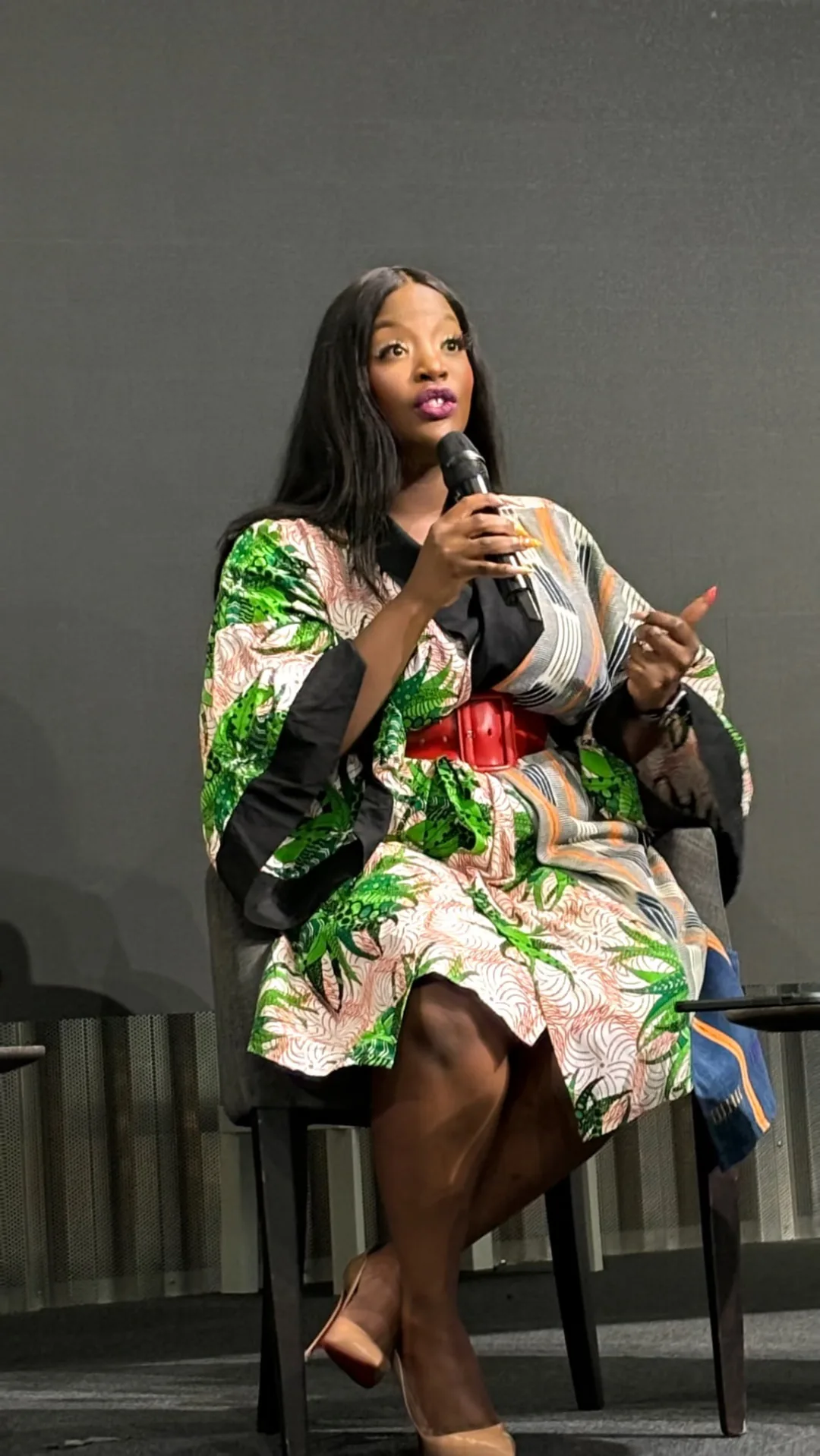
Feminist sociologist of global governance. Exploring how gender, culture, and power shape women's experiences across social and institutional contexts, and how women exercise agency in shaping who they become.
Neoliberalized Feminism in Nigeria: “Developing” the Global Entrepreneurial Woman
Eleanor T. Khonje
Doctoral research Ph.D. in Social Sciences Defended 12 June 2020
Editorial dossier, not the original thesis cover
01 / The intellectual starting point
The questions behind the research.
To understand women's professional and entrepreneurial trajectories, look beyond individual achievement. Examine the social hierarchies, institutional expectations, and relations of power that shape their experiences, and how women navigate and negotiate these conditions.
01
How do gender, class, culture, and other relations of power shape women's experiences of leadership and success?
02
How do institutions shape expectations of what it means to be a successful woman, entrepreneur, or leader?
03
How do women navigate, negotiate, and reshape the conditions that influence who they become?
Editorial framing of her research interests, not quotations or reported findings.
02 / Doctoral research archive
Social sciences · University of Lausanne
2020Defended 12 June
Neoliberalized Feminism in Nigeria: “Developing” the Global Entrepreneurial Woman
Her doctoral thesis examines neoliberal feminism, public-private partnerships, and the politics of women's empowerment in Nigeria.
It laid the foundation for her continuing research into how gendered relations of power operate through institutions and social practices, and how women navigate and shape their professional and entrepreneurial trajectories.
Exploring how power, institutions, and agency shape women's professional and entrepreneurial journeys.
Executive leadership & identity
Black and African women in managerial and executive roles in Europe
This research examines how gender, racialization, class, and institutional expectations shape the experiences of accomplished Black and African women in managerial and executive roles within European organizations.
It explores their experiences of authority and professional identity, and how they navigate institutional power and the demands of social reproduction while actively shaping who they become.
An ongoing inquiry. These are research questions, not claims about completed findings.
Entrepreneurship & self-making
Growth-oriented women entrepreneurs in Africa
Building on her doctoral research into the Global Entrepreneurial Woman (GEW), this work examines how gendered expectations, class relations, institutional practices, and responsibilities surrounding care and unpaid labor shape women's growth-oriented entrepreneurial trajectories.
It explores how women navigate these conditions, negotiate expectations of success, and actively participate in shaping their identities and aspirations.
A current research agenda, not a list of published outputs.
04 / Interconnected lenses
A research index. Not separate worlds.
Four interconnected themes through which questions of power, leadership, institutional practices, and women's agency can be examined.
01
Gender-Responsive and Intercultural Leadership
Examining leadership through gender and culture raises questions about authority, legitimacy, and belonging. This lens considers how institutional expectations shape who is recognized as a leader and how leadership is experienced across different contexts.
02
Global Governance, Power and Culture
Institutions do more than organize decisions. They shape the language of progress and the conditions under which people participate. This lens examines how power operates through policies, partnerships, institutional practices, and cultural assumptions.
03
Organizational Transformation
Organizational transformation operates across three interconnected levels: the individual, the team, and the organization. This lens examines how leadership at each level shapes organizational culture and institutional practices, and how leaders are held accountable for the changes they seek to create.
04
Women's Economic Participation and Leadership
Women's economic participation is not simply a question of access. It also concerns the conditions under which women pursue entrepreneurial growth, exercise leadership, and navigate social responsibilities. This lens connects these experiences to broader questions of empowerment, institutional power, and social reproduction.
05 / From research to conversation
Ideas deepen in dialogue.
As a professor at Geneva Business School and the American Institute of Applied Sciences in Switzerland, Dr. Khonje brings research, teaching, and leadership practice into conversation. Her work encourages critical inquiry, intellectual exchange, and opportunities for academic collaboration.
Drawing on her lived experiences, her book in development introduces the personal development and leadership frameworks she has created around identity, self-awareness, building a life of intention and purpose, and the responsibility to nurture community and create opportunities for others to flourish.